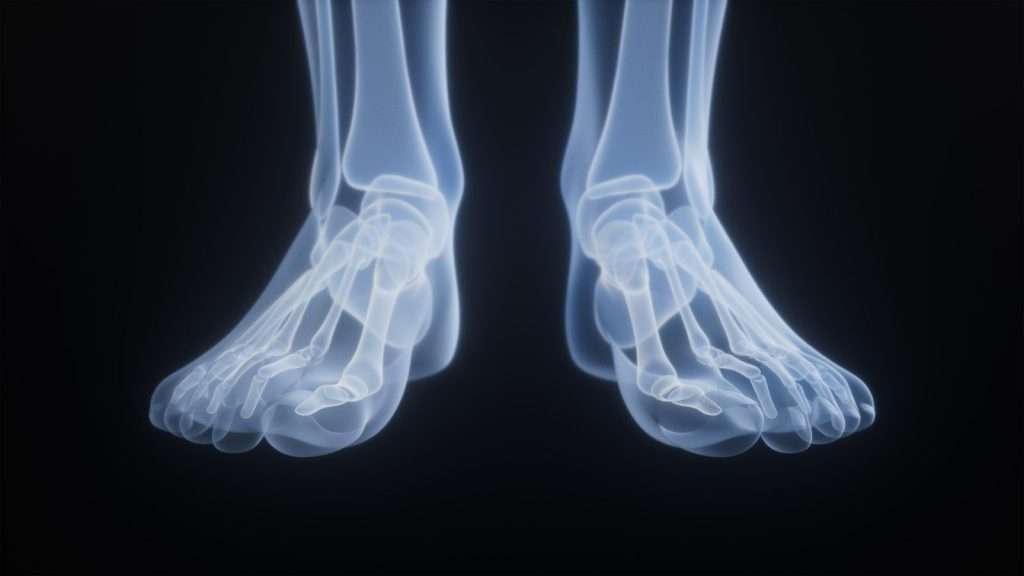
From a Workplace Fall to Chronic Nerve Pain: The Physical Toll
The incident occurred when the plaintiff tripped over a loose metal object on the factory floor. While the initial diagnosis was a simple fracture, the secondary symptoms quickly became the primary focus of her medical struggle.
Shutterstock
The medical impact of the injury included:
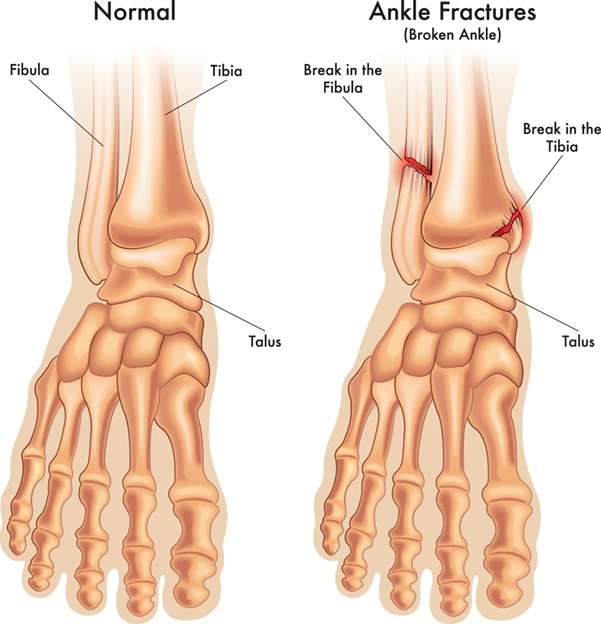
- Initial Trauma: A distal fracture of the left fibula (the outer bone of the lower leg) that required immediate immobilization with an orthopedic boot and crutches.
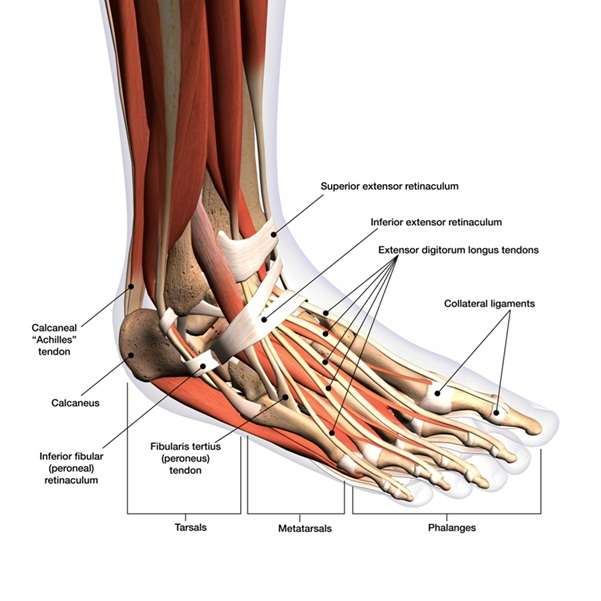
- Persistent Neuropathy: Long after the fracture showed signs of healing, the plaintiff continued to suffer from severe pain in the ankle and heel, numbness, tingling, and skin color changes.
- Complex Symptoms: The pain radiated up her leg and was characterized by extreme sensitivity to touch and temperature, leading specialists to investigate Complex Regional Pain Syndrome (CRPS) and traumatic neuropathy.
- Advanced Treatment: To manage the pain, the plaintiff underwent sympathetic nerve blocks, specialized injections, and EMG/NCV testing to map nerve damage.
Getty Images
Overcoming Medical Denials and Conflicting Opinions
This case highlights a common obstacle in Workers’ Compensation: the “invisible” injury. While a broken bone is easy to see on an X-ray, chronic nerve pain is often met with skepticism by insurance companies.
The legal and medical hurdles included:
- The “Healed” Argument: Because the fracture itself had technically healed, external evaluators attempted to argue that the plaintiff was fit to return to work without restrictions.
- Conflicting Diagnoses: There was significant disagreement between treating physicians—who diagnosed CRPS Type 1—and the Independent Medical Examiner (IME), who argued that there were insufficient signs for CRPS and categorized the injury as a less severe neurapraxia.
- Minimizing Gravity: The insurance carrier attempted to halt treatment and benefits once the bone was stable, despite the plaintiff’s documented inability to walk or stand for long periods.
Jack Epstein, with 30 years of experience in the Illinois legal market, understands that a “healed” X-ray does not always mean a healed worker. Our strategy focused on documenting the functional reality of her pain.
Turning Strategy Into Justice
The legal team maintained the essential link between the original fall and the subsequent nerve damage. By coordinating a comprehensive record of orthopedics, pain management, and physical therapy, we proved that the plaintiff’s disability was ongoing and medically supported.
A Foundation for Continued Support While the final settlement amount is currently [PENDING], the immediate results of our advocacy provided the plaintiff with essential stability:
- Continuous Medical Access: Secured authorization for specialized pain management and neurological evaluations that the insurance carrier initially tried to block.
- Protected Work Status: Successfully kept the plaintiff in “off-duty” or “off-work” status through multiple medical certifications, ensuring she was not forced back into a dangerous environment while injured.
- Dignity in Litigation: Provided a voice for a worker who felt ignored by the system, ensuring her subjective pain was treated with objective legal seriousness.
This case serves as a vital reminder for the Hispanic community in Chicago: a workplace injury does not end just because an insurance doctor says so. The plaintiff pays nothing until we win the case.
“Justice delayed isn’t justice denied. Not when you have the right team.