From Heavy Lifting to Spinal Surgery: The Physical Toll
The incident occurred while the plaintiff was performing strenuous labor, specifically moving a heavy conveyor structure. The mechanical strain resulted in acute lumbar pain that immediately radiated down his left leg.
Shutterstock
The medical journey was extensive and required high-level intervention:
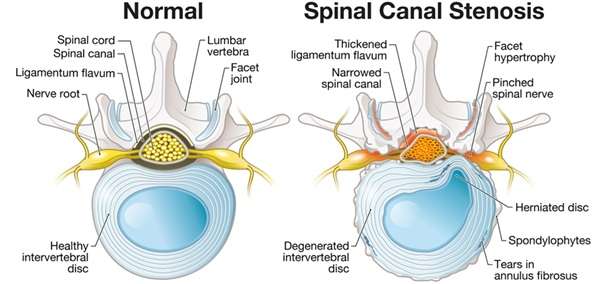
- Diagnosis: Diagnostic imaging revealed significant herniations and narrowing (stenosis) in the lumbar spine.
- Surgical Procedure: The plaintiff underwent a decompression surgery, including a laminectomy and discectomy at the L3-L4 and L4-L5 levels, to relieve pressure on the nerves.
- Comprehensive Care: Before and after surgery, the treatment regimen included epidural injections, EMG nerve studies, physical therapy, and specialized work conditioning.
- Long-term Restrictions: Even following the operation, the plaintiff required strict medical restrictions to protect his spine during the rehabilitation process.
Overcoming Disputed Disability and Workplace Obstacles
This case was marked by significant friction between the worker’s medical needs and the employer’s expectations.
The legal hurdles included:
- Disputed Disability Periods: The employer and insurance carrier raised formal disputes regarding the length of the plaintiff’s Temporary Total Disability (TTD) and his readiness to return to work.
- Safety Violations: Medical records indicate that at various points, the employer failed to fully respect the plaintiff’s weight-lifting restrictions, placing his recovery at risk.
- Complex Causation: Ensuring that the insurance company recognized the full extent of the spinal damage—and not just a simple “muscle strain”—required persistent legal and medical documentation.
Jack Epstein, with 30 years of experience in the Illinois legal market, utilized a human-focused approach to prove that the plaintiff’s inability to work was a direct result of the industrial accident and not a pre-existing condition.
Turning Strategy Into Justice
The legal strategy focused on building a “paper trail” of medical necessity. By connecting the dots between the initial acute pain, the failed conservative treatments (injections/therapy), and the eventual necessity of surgery, our team demonstrated the serious nature of the workplace injury.
A Result That Restores Stability The resolution approved by the Illinois Workers’ Compensation Commission provided the plaintiff with the financial closure he deserved:
- Global Settlement: $66,746.25.
- Medical Coverage: As part of the negotiation, the defendant agreed to satisfy reasonable and necessary medical expenses related to the injury.
- Net Recovery: After attorney fees and legal costs, the plaintiff received a net disbursement of $53,222.00.
This case highlights that an injured worker can successfully assert their rights even when an insurance company disputes the claim or the medical process becomes exhausting. The plaintiff paid nothing until we won the case.
“Justice delayed isn’t justice denied. Not when you have the right team.”